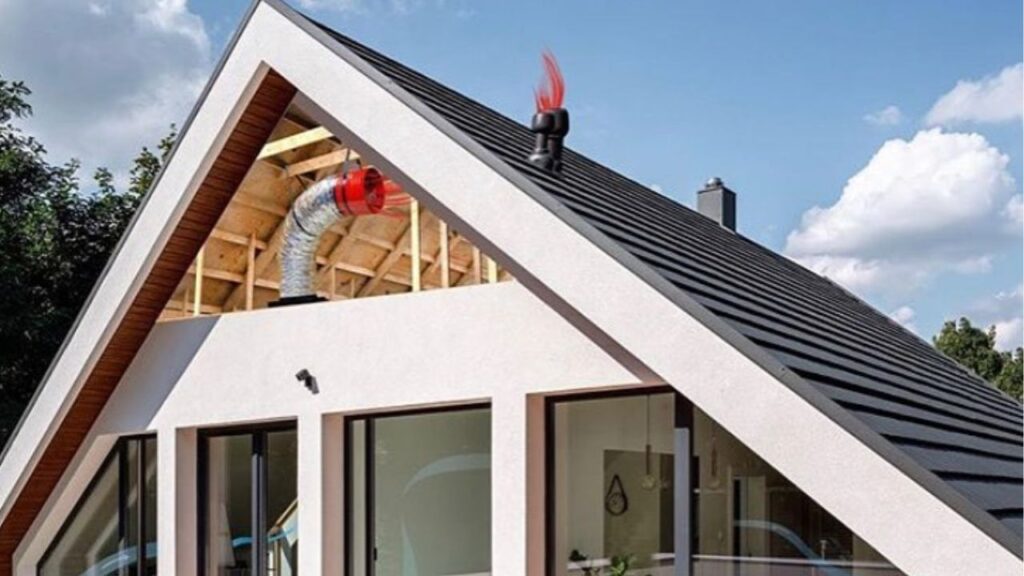
Keeping your home comfortable during warm weather can be challenging, especially when air conditioning costs continue to rise. A quiet cool whole house fan is designed to improve airflow, reduce indoor heat, and create a more comfortable living environment while lowering energy consumption. Many homeowners are unaware that their home may already be showing signs that a quiet cool whole house fan could make a significant difference. By recognizing these indicators, you can determine whether installing a quiet cool whole house fan is the right solution for better ventilation and enhanced indoor comfort.
1. Quiet Cool Whole House Fan: Your Home Feels Hot Even After Sunset
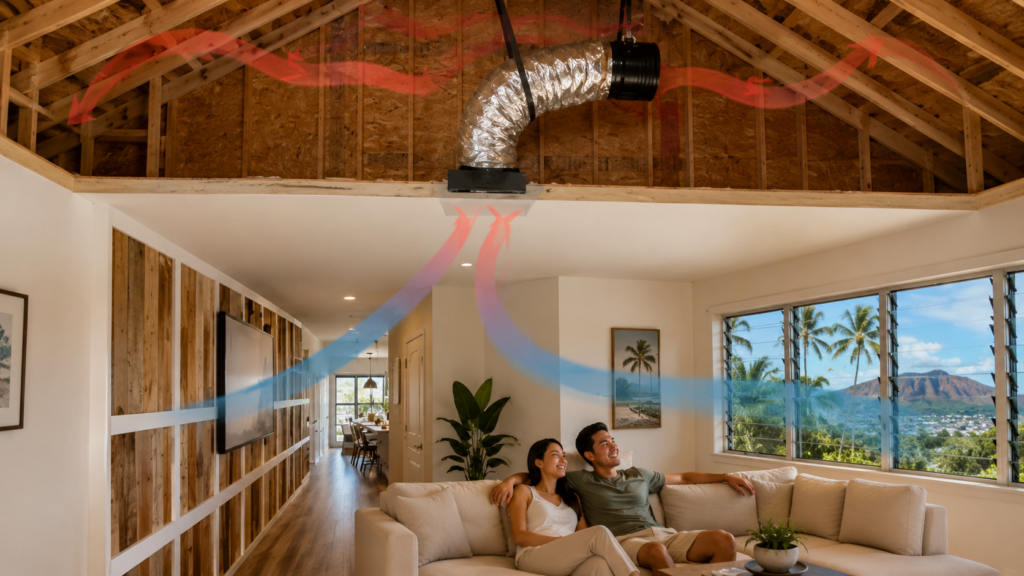
One of the clearest signs that your home could benefit from a quiet cool whole house fan is lingering indoor heat after the sun goes down.
During the day, walls, roofs, and attic spaces absorb heat. Even when outdoor temperatures cool in the evening, trapped heat can keep indoor spaces uncomfortable. A whole house fan helps remove this accumulated heat by drawing cooler outdoor air through open windows and exhausting hot air through the attic.
Common Symptoms:
- Bedrooms remain warm at night
- Upper floors feel hotter than lower levels
- Air conditioning runs longer than expected
- Indoor temperatures cool very slowly
2. Your Air Conditioning Bills Are Increasing
If your energy bills spike during warmer months, inadequate ventilation may be contributing to the problem.
Traditional air conditioning systems consume a significant amount of electricity. A whole house fan can reduce reliance on AC by providing natural cooling during evenings and mornings when outdoor temperatures are lower.
Potential Benefits:
- Reduced cooling costs
- Less strain on HVAC equipment
- Improved energy efficiency
- Lower monthly utility bills
3. Your Home Feels Stuffy or Lacks Fresh Air
Poor airflow often leads to stale indoor air and uncomfortable living conditions.
Modern homes are built to be energy efficient, but this can sometimes restrict natural ventilation. A whole house fan continuously exchanges indoor air with fresh outdoor air, helping create a cleaner and more refreshing environment.
Signs of Poor Ventilation:
- Stale odors linger indoors
- Rooms feel stuffy
- Indoor air feels heavy
- Lack of noticeable airflow
Read More: Whole House Fan: A Smart Cooling Solution for Comfortable Living
4. Your Attic Becomes Extremely Hot
Attic temperatures can exceed 120°F (49°C) during hot weather.
Excess attic heat can radiate into living spaces, forcing your cooling system to work harder. A whole house fan helps move hot air out of the attic, reducing heat buildup and improving overall home comfort.
Attic Heat Warning Signs:
- Ceiling surfaces feel warm
- Second-story rooms overheat
- HVAC system struggles to maintain temperature
- Roofing materials experience excessive heat exposure
5. You Prefer Natural Cooling Solutions
Many homeowners are searching for alternatives that reduce dependence on air conditioning.
A whole house fan uses significantly less energy than traditional cooling systems and takes advantage of naturally cooler outdoor temperatures. This makes it an attractive option for environmentally conscious households.
Advantages:
- Reduced energy consumption
- Lower carbon footprint
- Fresh outdoor air circulation
- Comfortable indoor temperatures
6. Some Rooms Are Consistently Warmer Than Others
Uneven temperatures throughout the home often indicate poor air circulation.
A whole house fan helps distribute fresh air more effectively, reducing hot spots and creating a more balanced indoor environment.
Common Problem Areas:
- Upstairs bedrooms
- Bonus rooms
- Home offices
- Rooms with large windows
7. You Want Better Indoor Air Quality
Indoor pollutants can accumulate when fresh air exchange is limited.
A whole house fan helps remove:
- Cooking odors
- Pet odors
- Indoor pollutants
- Excess moisture
- Stale air
Regular air exchange can contribute to a healthier and more pleasant indoor environment.
Similar link: How Roof Mounted Attic Fans Improve Home Ventilation
8. Your Home Retains Heat During Spring and Fall
Many homeowners run their air conditioners even when outdoor temperatures are relatively comfortable.
A whole house fan can take advantage of cool mornings and evenings during transitional seasons, providing comfort without relying entirely on mechanical cooling.
Ideal Conditions:
- Cool evenings
- Mild spring temperatures
- Comfortable fall weather
- Low outdoor humidity
Conclusion
If your home feels stuffy, remains hot after sunset, experiences uneven temperatures, or generates high cooling costs, it may be time to consider a quiet cool whole house fan. This ventilation solution can improve indoor comfort, increase fresh airflow, reduce energy consumption, and help your home stay cooler naturally. Whether you’re considering advanced options such as Trident Pro Fans or Stealth Pro Fans, evaluating these common signs can help you determine which system best suits your home’s cooling and ventilation needs. Investing in a quiet cool whole house fan can lead to a more comfortable, energy-efficient, and healthier living environment.
FAQs
1. What is a quiet cool whole house fan?
A quiet cool whole house fan is a ventilation system that pulls cool outdoor air into the home while exhausting hot indoor air through the attic, helping reduce indoor temperatures naturally.
2. Can a quiet cool whole house fan lower energy bills?
Yes. Many homeowners use a whole house fan to reduce reliance on air conditioning, which can help lower cooling-related electricity costs.
3. When should I run a whole house fan?
A whole house fan is most effective during cooler morning and evening hours when outdoor temperatures are lower than indoor temperatures.
4. Is a quiet cool whole house fan noisy?
Modern QuietCool systems are specifically designed to operate much more quietly than traditional whole house fans, making them suitable for everyday residential use.