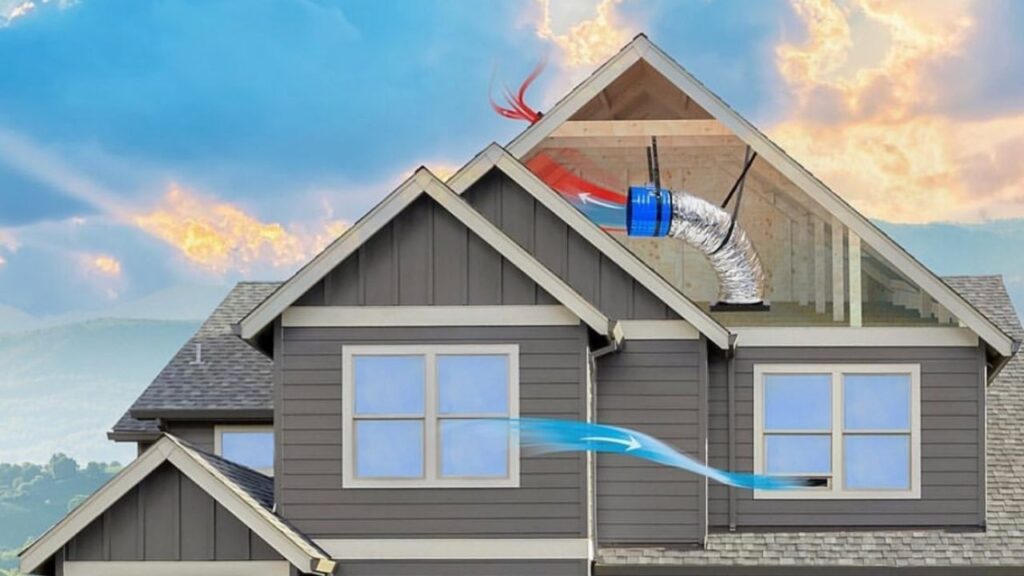
A properly planned Whole House Fan Installation can significantly improve indoor comfort, reduce cooling costs, and enhance ventilation throughout your home. However, many homeowners and even inexperienced installers make critical errors during the installation process that can reduce efficiency, increase energy consumption, and shorten the lifespan of the system. Understanding the common mistakes associated with Whole House Fan Installation can help you achieve better performance and avoid costly repairs in the future.
Whole House Fan Installation Mistakes Homeowners Should Avoid
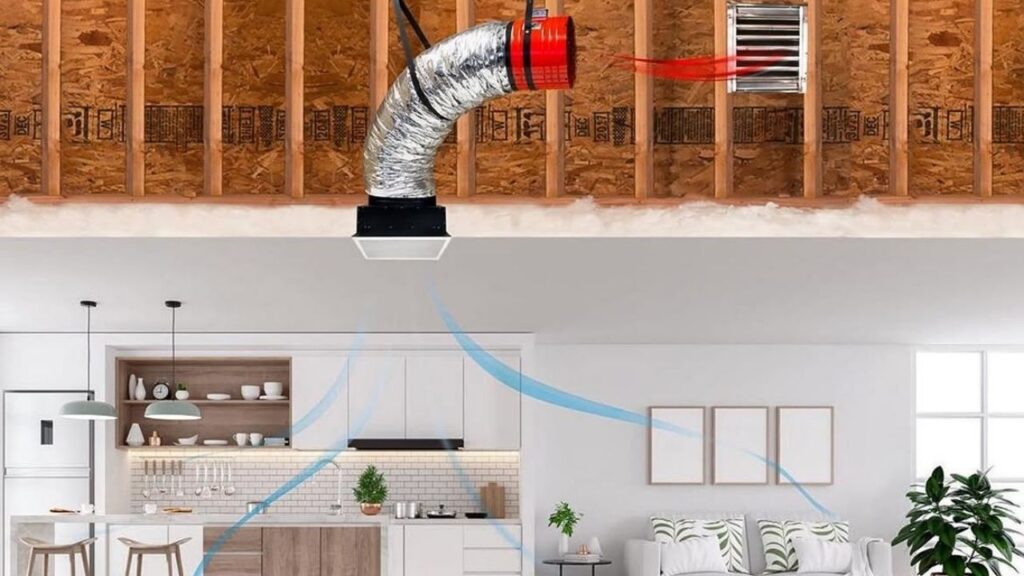
Installing a whole house fan may seem straightforward, but several factors must be considered to ensure optimal operation. Avoiding these common mistakes can make a significant difference in the effectiveness of your Whole House Fan Installation.
Choosing the Wrong Fan Size
One of the most common mistakes during Whole House Fan Installation is selecting a fan that is either too small or too large for the home.
A fan that is too small may not provide adequate airflow, while an oversized unit can create excessive noise and unnecessary energy usage. Before beginning your Whole House Fan Installation, calculate your home’s square footage and airflow requirements to select the correct fan capacity.
Ignoring Attic Ventilation Requirements
Proper attic ventilation is essential for successful Whole House Fan Installation. The fan moves air from the living space into the attic, and that air must have a clear path to escape outside.
Insufficient attic vents can cause pressure buildup, reduce cooling efficiency, and potentially damage roofing materials. Always ensure that your attic has adequate venting before completing a Whole House Fan Installation.
Similar link: Whole House Fan: A Smart Cooling Solution for Comfortable Living
Improper Fan Placement
The location of the fan directly affects the performance of the system. Poor placement can limit airflow and reduce the effectiveness of your Whole House Fan Installation.
Ideally, the fan should be installed in a central hallway or location that allows air to circulate evenly throughout the home. Proper positioning helps maximize ventilation and cooling benefits.
Failing to Seal Air Leaks
Many homeowners overlook existing air leaks during Whole House Fan Installation. Gaps around windows, doors, and ductwork can reduce efficiency by allowing conditioned air to escape.
Before installing the fan, inspect your home for leaks and seal them appropriately. This simple step can significantly improve the performance of your Whole House Fan Installation.
Neglecting Electrical Requirements
Electrical mistakes can create safety hazards and lead to system failure. Every Whole House Fan Installation should comply with local electrical codes and manufacturer recommendations.
Using incorrect wiring, undersized circuits, or improper connections can cause operational issues and potentially increase fire risks. Professional electrical installation is often recommended.
Overlooking Noise Reduction Features
Older whole house fans were often known for being noisy. Modern systems include insulated dampers and advanced motor technology to reduce sound levels.
When planning a Whole House Fan Installation, choose a model with noise-reduction features. Proper mounting and installation techniques can further minimize vibrations and unwanted noise.
Not Considering Energy Efficiency
A major advantage of Whole House Fan Installation is energy savings. However, selecting an inefficient model can limit these benefits.
Look for fans with energy-efficient motors and high airflow ratings. An efficient Whole House Fan Installation can help reduce dependence on air conditioning and lower monthly utility bills.
Incorrect Ceiling Opening Size
Creating an improperly sized ceiling opening is another common mistake. If the opening is too small, airflow may be restricted. If it is too large, installation stability can be compromised.
Carefully follow manufacturer specifications during Whole House Fan Installation to ensure the opening dimensions match the equipment requirements.
Forgetting About Insulated Dampers
Insulated dampers help prevent heat loss during winter and heat gain during summer. Some homeowners skip this feature to save money during Whole House Fan Installation, but doing so can negatively impact energy efficiency.
Installing insulated dampers helps maintain indoor temperatures and improves the overall performance of the system year-round.
Attempting DIY Installation Without Experience
While some homeowners are comfortable with home improvement projects, Whole House Fan Installation involves electrical work, structural modifications, and ventilation calculations.
Attempting installation without the necessary knowledge can result in poor performance, code violations, or safety concerns. Hiring a qualified professional can ensure the job is completed correctly and efficiently.
Benefits of Proper Whole House Fan Installation
When completed correctly, Whole House Fan Installation offers numerous benefits, including:
- Improved indoor air circulation
- Lower cooling costs
- Reduced reliance on air conditioning
- Better indoor air quality
- Enhanced home comfort
- Increased energy efficiency
- Extended HVAC system lifespan
Proper planning and professional installation help homeowners maximize these advantages while avoiding common issues.
Final Thoughts
A successful Whole House Fan Installation requires careful planning, proper sizing, adequate attic ventilation, and professional workmanship. By avoiding common mistakes such as selecting the wrong fan size, neglecting attic venting, or overlooking electrical requirements, homeowners can enjoy years of efficient cooling and energy savings.
Whether you are upgrading your home’s ventilation system or installing a whole house fan for the first time, taking the time to ensure a proper Whole House Fan Installation will deliver better comfort, improved efficiency, and long-term value.