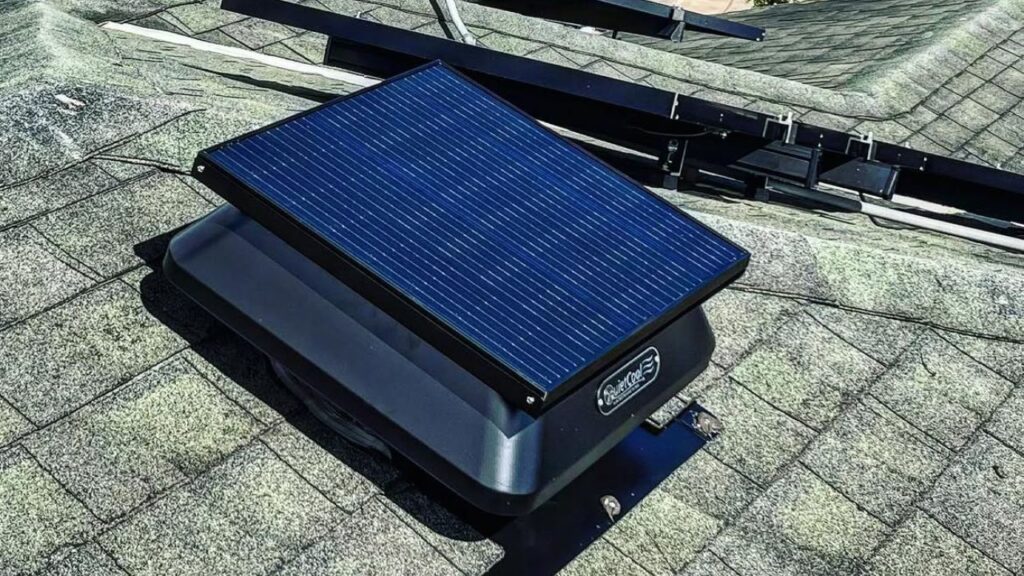
A Solar Attic Fan is one of the smartest investments homeowners can make to improve attic ventilation, reduce heat buildup, and lower cooling costs. By using energy from the sun, a Solar Attic Fan removes trapped hot air from your attic without increasing your electricity bill. Before purchasing one, it’s important to understand how these systems work, what features matter most, and whether they’re the right solution for your home. This guide covers everything you should know before making your decision.
What Is a Solar Attic Fan?
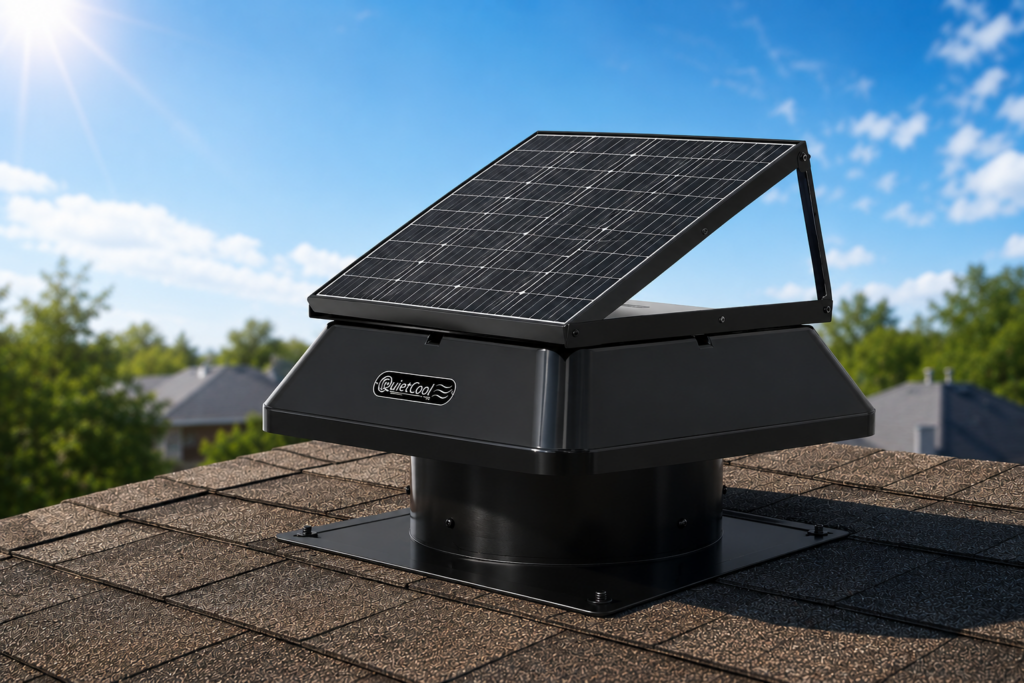
A Solar Attic Fan is a ventilation system powered by a solar panel that removes hot, humid air from your attic. Unlike traditional electric attic fans, it operates using renewable solar energy, making it an energy-efficient and environmentally friendly solution.
As sunlight powers the fan, it continuously circulates air through the attic, helping regulate temperatures and reducing excess moisture that can damage insulation, roofing materials, and wooden structures.
Why Should You Install a Solar Attic Fan?
Installing a Solar Attic Fan offers several benefits for homeowners looking to improve comfort and energy efficiency.
Lower Cooling Costs
Hot attics force air conditioning systems to work harder. A properly installed fan helps remove excess heat, reducing the load on your HVAC system and lowering monthly energy bills.
Improves Home Comfort
By reducing attic temperatures, indoor living spaces remain cooler during warm weather.
Protects Your Roof
Extreme attic heat can shorten the lifespan of roofing materials. Better ventilation helps preserve shingles and roof decking.
Controls Moisture
Moisture trapped in the attic can lead to mold, mildew, and wood rot. Continuous ventilation helps maintain a healthier attic environment.
Eco-Friendly Operation
Since it runs on solar energy, the fan operates without increasing electricity consumption.
How Does a Solar Attic Fan Work?
A Solar Attic Fan consists of three primary components:
- Solar panel
- Fan motor
- Ventilation housing
When sunlight reaches the solar panel, electricity is generated to power the motor. The fan then pulls hot air out of the attic while fresh air enters through soffit or ridge vents, creating continuous airflow.
Because it operates only when the sun is shining, the fan naturally works hardest during the hottest part of the day—when attic ventilation is needed most.
Key Features to Look for Before Buying a Solar Attic Fan
Not all attic fans offer the same performance. Consider these important features before making your purchase.
Airflow Capacity (CFM)
The airflow rating, measured in Cubic Feet per Minute (CFM), determines how much air the fan can move.
Choose a fan based on:
- Total attic square footage
- Roof design
- Local climate
- Ventilation requirements
A larger attic typically requires higher CFM.
Solar Panel Size
Larger solar panels generally produce more power and maintain stronger airflow even under partially cloudy conditions.
Brushless Motor
Brushless motors typically last longer, operate more quietly, and require less maintenance than traditional motors.
Thermostat Control
Many premium models include thermostats that automatically activate the fan once attic temperatures reach a preset level.
Humidity Sensor
Humidity-controlled models help reduce moisture buildup during humid seasons.
Adjustable Solar Panel
An adjustable solar panel allows homeowners to maximize sunlight exposure for better performance.
Weather Resistance
Choose a model designed to withstand heavy rain, wind, UV exposure, and extreme temperatures.
Choosing the Right Size Solar Attic Fan
Selecting the correct Solar Attic Fan size is essential for proper ventilation.
Factors to consider include:
- Attic square footage
- Roof pitch
- Existing attic vents
- Climate conditions
- Insulation levels
Installing an oversized or undersized fan may reduce overall efficiency.
Roof Compatibility
Before purchasing a Solar Attic Fan, verify that it is compatible with your roofing material.
Most models work well with:
- Asphalt shingles
- Metal roofs
- Tile roofs
- Composite roofing
Professional installation ensures proper flashing and waterproof sealing.
Solar Attic Fan Installation Considerations
Proper installation has a significant impact on fan performance.
Important considerations include:
- Roof orientation toward sunlight
- Shade from nearby trees
- Existing attic ventilation
- Roof slope
- Local building codes
Professional installers can also determine the ideal fan location for maximum airflow.
Read More: How Roof Mounted Attic Fans Improve Home Ventilation
How Much Does a Solar Attic Fan Cost?
The cost of a Solar Attic Fan depends on several factors.
Typical pricing varies based on:
- Fan size
- Solar panel capacity
- Smart controls
- Brand
- Installation complexity
Although the upfront investment may be higher than traditional attic fans, homeowners often recover costs through long-term energy savings.
Maintenance Requirements
One advantage of a Solar Attic Fan is its low maintenance.
Recommended maintenance includes:
- Cleaning the solar panel regularly
- Removing debris around the fan
- Checking flashing annually
- Inspecting wiring connections
- Ensuring vents remain unobstructed
Routine inspections help maximize the system’s lifespan.
Common Mistakes When Buying a Solar Attic Fan
Avoid these common purchasing mistakes:
- Choosing the wrong fan size
- Ignoring attic ventilation requirements
- Buying based only on price without understanding the differences in Solar Attic Fan vs Electric Attic Fan
- Overlooking warranty coverage
- Skipping professional installation
- Not checking roof compatibility
Careful planning helps ensure long-term performance and helps you choose the best attic ventilation solution for your home.
Is a Solar Attic Fan Worth It?
For many homeowners, a Solar Attic Fan is a worthwhile investment. It helps reduce attic heat, improves indoor comfort, lowers cooling costs, and protects roofing materials from excessive heat and moisture. Since it operates using free solar energy, it also supports a more energy-efficient home.
If your attic experiences high temperatures during the summer or suffers from poor ventilation, installing a quality solar-powered attic fan can provide lasting benefits for both comfort and home maintenance.
Final Thoughts
Buying the right Solar Attic Fan involves more than simply choosing the first model you find. Understanding airflow capacity, roof compatibility, solar panel performance, installation requirements, and maintenance needs will help you make a smart investment. A properly selected and professionally installed Solar Attic Fan can improve attic ventilation, reduce cooling expenses, and extend the life of your roof for years to come.
Frequently Asked Questions
- How long does a Solar Attic Fan last?
Most quality solar attic fans last between 15 and 25 years, depending on the manufacturer, weather conditions, and maintenance.
- Does a Solar Attic Fan work on cloudy days?
Yes, many models continue operating under partial sunlight, although airflow may be reduced compared to bright sunny conditions.
- Can a Solar Attic Fan lower my electricity bill?
Yes. By reducing attic heat, your air conditioning system may operate more efficiently, helping lower cooling costs.
- Does a Solar Attic Fan require electricity?
No. It is powered by solar energy and typically does not require a connection to your home’s electrical system.
- Is professional installation recommended?
Yes. Professional installation helps ensure proper placement, waterproof sealing, optimal airflow, and compliance with local building codes.